.webp)
Buying a home comes with more than a mortgage and maintenance costs. You also need to understand how your home is protected when something goes wrong. Home warranty vs. home insurance is a common point of confusion for homeowners. While both offer financial protection, they cover very different risks. A home warranty may cover repairs to eligible appliances and systems, while homeowners insurance covers certain property damage and liability risks. Knowing the difference can help you choose the right protection for your home.
Quick Answer
Home warranty and homeowners insurance protect different parts of your home. Home insurance generally covers unexpected damage or losses caused by covered events, such as fire, theft, or certain storms. A home warranty is a service contract that typically helps pay for the repair or replacement of covered home systems and appliances when they break down from normal wear and tear.
For many homeowners, the two can work together rather than replace one another. Your homeowners insurance protects against covered property losses and liability, while a home warranty may help with certain mechanical breakdowns.
What Is a Home Warranty?
A home warranty is generally a service contract, not homeowners insurance. It is designed to cover repairs or replacements for specific appliances and home systems listed in the agreement.
The Federal Trade Commission explains that home warranties typically cover items such as appliances or air conditioning systems and generally last for a defined period.
Depending on the plan, covered items may include:
- HVAC systems
- Electrical systems
- Plumbing systems
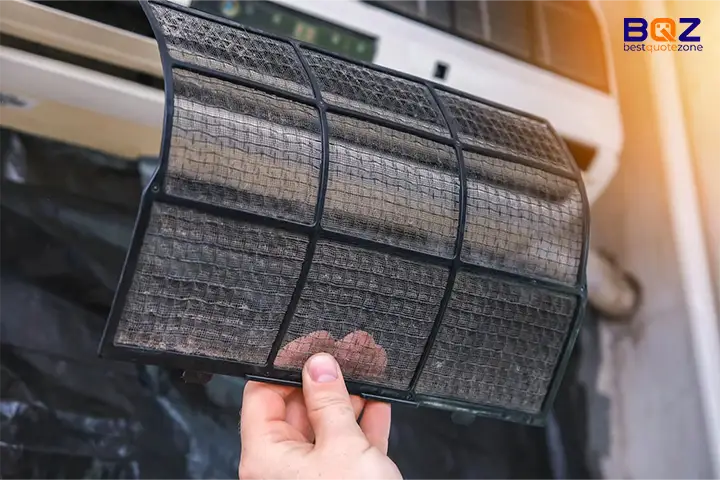
- Water heaters
- Refrigerators
- Ovens and ranges
- Dishwashers
- Clothes washers and dryers
- Garage door openers
What Does a Home Warranty Cover?
Home warranty quote typically applies to the repair or replacement of eligible home systems and appliances that experience covered breakdowns, often associated with normal wear and tear. However, the contract determines exactly what is covered, what is excluded, and how much the provider will pay.
A home warranty may be particularly useful for homeowners with older appliances or major systems that could be expensive to repair.
Typical Home Warranty Coverage
|
Item |
May Be Covered? |
Common Considerations |
|
HVAC |
Yes |
Contract limits and exclusions apply |
|
Plumbing |
Often |
Specific components may be excluded |
|
Electrical |
Often |
Coverage depends on the plan |
|
Water heater |
Often |
Age and component exclusions may apply |
|
Refrigerator |
Often |
Certain parts may be excluded |
|
Dishwasher |
Often |
Service fee may apply |
|
Washer/dryer |
Optional on some plans |
May require an upgraded plan |
|
Roof leaks |
Sometimes |
Usually requires specific roof coverage |
What Does Homeowners Insurance Cover?
Homeowners insurance is designed to protect against covered property losses and other risks specified by the policy.
The National Association of Insurance Commissioners (NAIC) says homeowners policies generally cover the home's structure, including attached structures, fixtures, and built-in appliances. Many policies also provide coverage for personal belongings and personal liability for covered accidents.
Depending on the policy, homeowners insurance can help cover:
- Damage to the home's structure
- Certain detached structures
- Personal property
- Theft
- Fire damage
- Certain storm-related damage
- Personal liability
- Medical payments for certain injuries
- Additional living expenses after certain covered losses
The exact protection depends on the policy, deductible, coverage limits, exclusions, and state-specific requirements.
Home Warranty vs. Home Insurance: What's the Difference?
The simplest way to understand the difference is to ask why something happened. If a covered storm damages your roof, homeowners insurance may respond according to your policy. If an eligible air conditioner breaks down because of normal wear and tear, a home warranty may provide service according to its contract.
|
Feature |
Home Warranty |
Homeowners Insurance |
|
Type |
Service contract |
Insurance policy |
|
Main purpose |
Repair/replacement of covered systems and appliances |
Protection against covered property losses and liability |
|
Normal wear and tear |
Often covered for listed items |
Generally not the purpose of coverage |
|
Fire damage |
Generally not its primary purpose |
Typically covered if policy includes the peril |
|
Theft |
No |
Typically covered under applicable policy terms |
|
Appliance breakdown |
May be covered |
Usually not for ordinary mechanical breakdown |
|
Liability protection |
No |
Typically included |
|
Flood |
Generally not standard warranty coverage |
Usually excluded from standard homeowners insurance |
|
Earthquake |
Generally not standard warranty coverage |
Usually excluded from standard homeowners insurance |
|
Service/claim fee |
Common |
Deductible commonly applies |
|
Required by mortgage lender |
No |
Generally required by mortgage lenders |
What Doesn't a Home Warranty Cover?
One of the most important parts of evaluating a home warranty is understanding exclusions.
A contract may exclude:
- Pre-existing conditions
- Certain components or parts
- Cosmetic damage
- Improper installation
- Lack of maintenance
- Items not specifically listed
- Certain code-related upgrades
- Damage caused by unusual circumstances
- Repairs exceeding contractual limits
What Doesn't Homeowners Insurance Cover?
Homeowners insurance also has exclusions. Standard policies commonly exclude or limit coverage for certain risks, including flooding and earthquakes. The NAIC also notes that coverage varies by policy and that endorsements may be available for some risks.
Homeowners insurance generally isn't designed to pay for routine maintenance or ordinary deterioration. For example, if an aging water heater simply stops working after years of use, a standard homeowners policy typically isn't intended to function as a repair plan for that breakdown.
That is one reason homeowners sometimes consider a home warranty alongside insurance.
Do You Need Both a Home Warranty and Home Insurance?
For most homeowners, homeowners insurance is the more fundamental form of protection because it addresses major property risks and liability. A home warranty is optional and may make sense if you want additional protection against certain repair costs. However, a home warranty isn't automatically a good deal for every homeowner. Compare the annual contract price, service fees, coverage limits, exclusions, and expected repair needs before buying.
Home Warranty Costs vs. Home Insurance Costs
The price of either product can vary substantially. Home warranty pricing depends on the provider, plan, covered items, location, service fees, and optional coverage. Homeowners insurance pricing can depend on factors such as:
- Location
- Home replacement cost
- Construction type
- Claims history
- Deductible
- Coverage limits
- Age and condition of the property
- Local weather and catastrophe risks
- Available discounts
Because these costs are highly location- and policy-specific, homeowners should compare actual quotes instead of relying on a national average.
How to Choose a Home Warranty in 2026
Before purchasing a plan, use this checklist:
- List your aging appliances and systems.
Identify the equipment most likely to require repairs. - Check exactly what is covered.
Don't assume every component of a system is included. - Review exclusions.
Pay particular attention to pre-existing conditions, maintenance requirements, and installation exclusions. - Compare service fees.
A lower annual price can be less attractive if service fees are high. - Check coverage limits.
Find out the maximum amount the provider will pay for covered repairs or replacements. - Understand the replacement terms.
A contract may specify how replacement equipment is selected. - Compare several plans.
Look at coverage, exclusions, fees, and limits, not just price. - Read the contract before paying.
The contract controls your actual coverage.
Pros and Cons of a Home Warranty
Pros
- Can help with eligible repair costs.
- May cover multiple appliances and systems under one contract.
- Can provide access to service professionals.
- May be useful for older homes and equipment.
- Can provide more predictable repair expenses.
Cons
- Not every breakdown is covered.
- Service fees may apply.
- Coverage limits can restrict payouts.
- Exclusions can be extensive.
- You may pay for coverage you never use.
- The provider may control the repair process under the contract.
Final Takeaway
The home warranty vs. home insurance decision isn't really an either-or choice.
Homeowners insurance is designed to protect you from covered property losses and liability. A home warranty is a service contract that can help with certain repairs or replacements involving covered appliances and home systems.
If you're considering a warranty, focus on the details that affect real-world value: coverage, exclusions, service fees, limits, and contract terms. Compare multiple options before choosing a plan, and make sure your homeowners insurance provides the protection you need.
For homeowners who want to evaluate their options, comparing quotes and coverage from qualified providers can make the decision easier. BestQuoteZone can help you compare home warranty options so you can review coverage and pricing before choosing a plan.